
In the tapestry of our nation's history, the voices of veterans resonate with profound significance, weaving together narratives of courage, resilience, and camaraderie. As we reflect on the experiences of those who have served, it is essential to recognize the invaluable lessons they impart, not only about military life but also about the enduring bonds formed in the crucible of service.
One such voice belongs to a Marine veteran who served from 1973 to 1979 (two years active duty) and achieved the rank of Corporal Daniel (Dan) McKenna. Motivated by a desire for direction amid a tumultuous time in his life, he enlisted in the Marine Corps despite reservations from family members. "I was not doing well in college, and there were no jobs in upstate New York at the time," he recalls. "Going to boot camp on Parris Island, SC, and graduating with honors was a transformative experience. I had never shot a gun before, but I graduated as the top qualifier and Platoon Honor Graduate." This initial triumph set the stage for a journey that would shape his character and worldview.
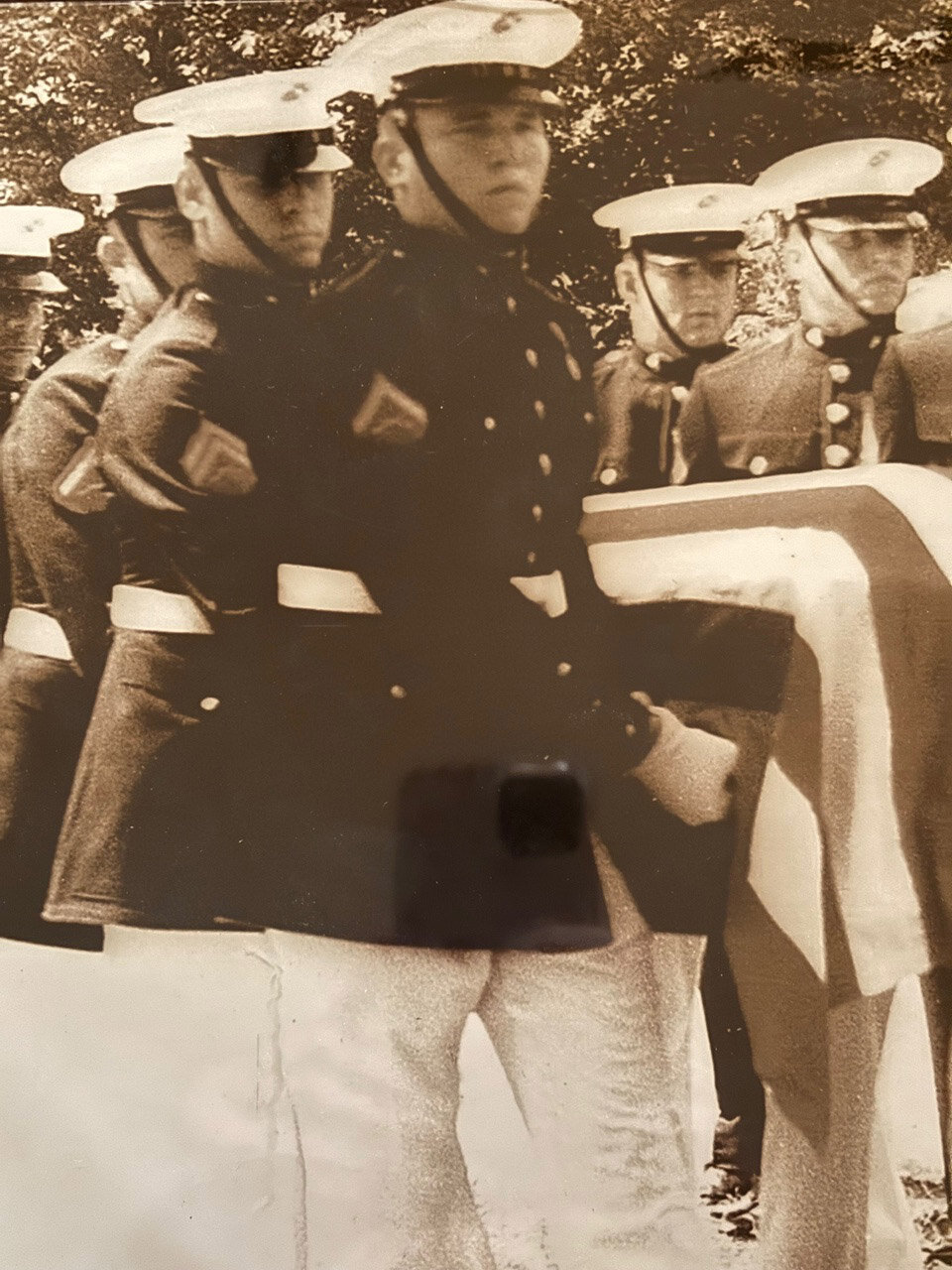
Dan was a 0311, a grunt, an infantryman, and was selected to bury the service members who had passed during that time in Arlington Cemetery, Washington, DC. For those who do not know, this is the Washington Barracks at 8&I, where the Silent Drill Team is based. Dan was also the third of three sons and the youngest, who served in the USMC during the Vietnam War. "I told my brothers I wanted to go into the Marine Corps, and they both told me not to."
The challenges faced during service were manifold, ranging from the rigors of training to the emotional weight of significant events. One particularly memorable experience was the solemn duty of burying General Creighton Abrams, a moment that underscored the gravity of military service and the sacrifices made by those who serve. "Walking down Pennsylvania Avenue, burying an Army general, which I thought was strange until I found out that his rank made him just two steps below the President of the United States. It was a humbling experience," he reflects. Such moments not only tested his resilience but also instilled a deep sense of responsibility and leadership.
The bonds forged with fellow Marines were equally impactful. "We enjoyed ourselves, took care of each other, and helped each other out," he shares, emphasizing the importance of camaraderie in navigating the challenges of military life. These relationships often extend beyond service, creating a brotherhood that persists long after returning to civilian life. "I have always gravitated towards people who were in the Corps, before or after," he notes. "It's a nice brotherhood with friendships that last a lifetime."
As veterans reintegrate into civilian life, community support plays a crucial role in their transition. Our veteran emphasizes the importance of organizations like the American Legion, which fosters connections and provides resources for veterans. Another reflection, "I chose to create the donation of the Vietnam Veterans Statue Memorial in the park in remembrance of the many friends and family my brothers and others served with and lost in Vietnam. I did this because it is essential to remember what those individuals did," he states, highlighting the need for ongoing recognition and support for veterans, particularly those who served in challenging conflicts.
In reflecting on the public perception of veterans today, he expresses a hopeful outlook. "I think it's fine (to choose to go into service); it's good for everyone to do a little bit of time in the service, be it civil or military," he asserts. This sentiment underscores the importance of fostering understanding and appreciation for the sacrifices made by service members.
For young people considering military service, particularly in the Marine Corps, his advice is clear: "Make sure it is something you want to do. It is very possible, and you will learn a lot, and earn relationships that will last a lifetime." This wisdom encapsulates the essence of military service—an opportunity for personal growth, leadership development, and the forging of lifelong connections.
As we honor the voices of veterans, let us remember that their experiences are not merely stories of the past but vital lessons for the present and future. As we listen to their narratives, we can cultivate a deeper understanding of the sacrifices made in service to our country and the importance of supporting those who have worn the uniform. In doing so, we honor their legacy and ensure that their contributions are never forgotten.
This article was written with the assistance of Melissa L. McKenna, the daughter of Dan McKenna, and a fellow Marine.


Comments
No comments on this item Please log in to comment by clicking here